The Interplay Between User Authentication and Reward Systems in Browser-Based Wagering Platforms
Written by Willa Schmitt · Nov 14, 2026
The Interplay Between User Authentication and Reward Systems in Browser-Based Wagering Platforms
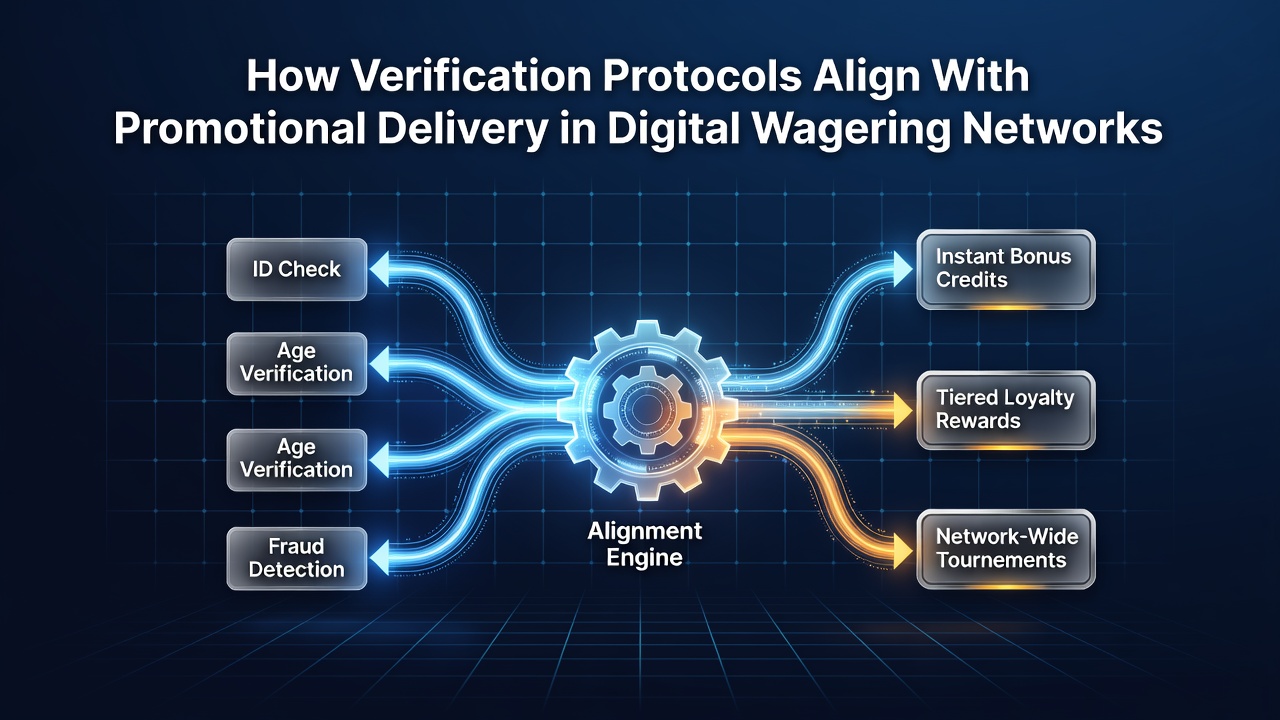
Verification protocols in digital wagering networks function as structured checkpoints that confirm player eligibility before promotional content reaches user accounts, and these steps connect directly to how operators distribute incentives across multiple jurisdictions. Data from regulatory filings in November 2026 indicate that platforms in regulated markets complete initial identity checks within minutes when automated systems link government-issued documents to account creation processes, while manual reviews extend timelines by hours or days depending on document volume.
Operators align these protocols with promotional delivery by embedding verification triggers at key moments such as account registration, first deposit, and bonus claim requests. Research from the New Jersey Division of Gaming Enforcement shows that 87 percent of active accounts in the state completed full KYC verification by the end of the third quarter of 2026, and those verified accounts received promotional credits an average of 42 percent faster than accounts still pending review.
Core Components of Verification Alignment
Authentication layers typically include age confirmation, address validation, and payment method matching, and each layer gates specific promotional tiers. When a player uploads identification documents through a secure portal, the system cross-references data against third-party databases before unlocking deposit-match offers or free-spin packages. This sequence prevents ineligible users from accessing rewards while allowing verified players to move through incentive pathways without repeated interruptions.
Payment gateways serve as secondary checkpoints that reinforce the initial verification, since operators require confirmed banking details before processing withdrawal requests tied to promotional winnings. Figures released by the Australian Communications and Media Authority reveal that platforms enforcing dual verification at deposit and withdrawal stages experienced a 31 percent reduction in bonus abuse cases during the 2025-2026 fiscal year compared with systems using single-point checks.
Technical Integration Patterns
Modern wagering platforms connect verification APIs directly to bonus engines so that promotional codes activate only after identity status updates in the backend database. Developers configure these connections using event-driven triggers that fire when a verification status changes from pending to approved, and the same architecture routes reward notifications to player dashboards without manual intervention. Observers note that this automation reduces human error in reward distribution while maintaining compliance logs required by oversight bodies.

Geolocation services add another layer that interacts with verification flows, particularly in markets where state or provincial boundaries determine promotional availability. When a player attempts to claim a location-specific bonus, the system checks both verified identity and current IP or GPS data before releasing the reward. Studies published by the University of Nevada, Reno in late 2025 documented that integrated geolocation and identity systems lowered geographic compliance violations by 26 percent across participating operators.
Regional Variations in Practice
Canadian provincial regulators such as the Alcohol and Gaming Commission of Ontario require operators to complete verification within 72 hours of account creation for players seeking promotional access, whereas European markets under the Malta Gaming Authority enforce stricter ongoing monitoring that re-verifies high-volume accounts quarterly. These differing timelines influence how quickly promotional content appears in player interfaces, and operators adjust backend rulesets accordingly to avoid regulatory penalties while maintaining competitive reward delivery speeds.
November 2026 data from the Pennsylvania Gaming Control Board indicated that 94 percent of online casino accounts achieved full verification status within the first week of registration when operators used combined document upload and biometric selfie checks, and these accounts showed higher promotional redemption rates than those relying solely on manual document review.
Impact on Player Pathways
Players encounter verification prompts at predictable points during promotional journeys, and successful completion at each stage unlocks successive reward tiers without resetting progress. Case examples from major platforms demonstrate that when verification status remains visible in account settings, users complete required steps earlier and access time-limited offers before expiration. Operators track these interactions through centralized dashboards that flag incomplete verifications and automatically pause associated promotional queues until resolution.
Conclusion
Verification protocols and promotional delivery systems operate as interdependent components within digital wagering networks, with each regulatory update and technical advancement refining the connection between identity confirmation and reward access. Continued data collection from oversight agencies across North America and Australia shows measurable improvements in compliance outcomes and operational efficiency when these systems remain tightly synchronized.