Exploring the Connections Between Software Development Practices and Compliance Standards in Global Digital Gambling Systems
Written by Freya Fischer · Sep 5, 2026
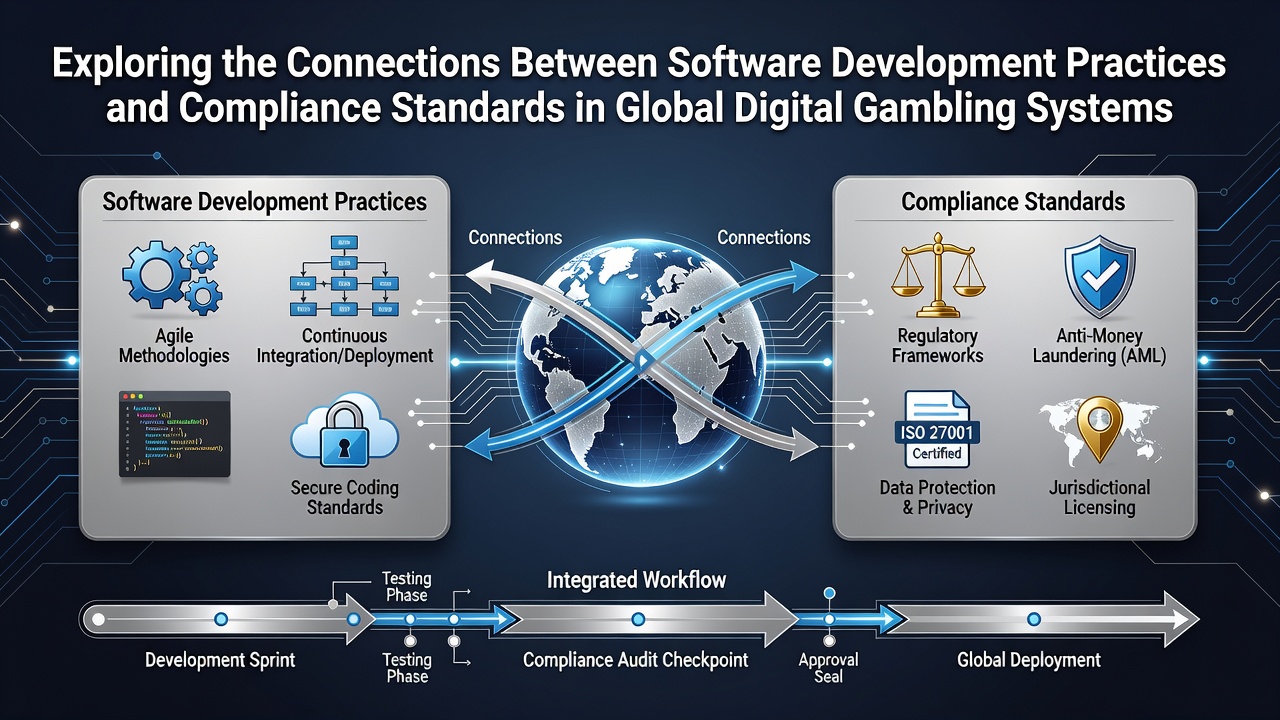
Exploring the Connections Between Software Development Practices and Compliance Standards in Global Digital Gambling Systems
Digital gambling systems operate under layers of regulatory oversight that shape every stage of software creation, from initial architecture decisions through ongoing maintenance cycles, and developers must align coding workflows with these requirements to maintain operational licenses across multiple jurisdictions.
Core Software Development Practices in Regulated Environments
Teams building gambling platforms routinely integrate secure coding standards into agile sprints, incorporating threat modeling sessions at the design phase while using continuous integration pipelines that run automated compliance scans before each merge, and this approach reduces vulnerabilities that could trigger audit failures later. Research from academic institutions such as those affiliated with the University of Nevada, Las Vegas, highlights how modular code structures allow quicker updates when new rules emerge, whereas monolithic architectures often slow response times during regulatory shifts.
Version control systems track every change with detailed audit trails that satisfy documentation demands from licensing bodies, and developers employ test-driven methodologies where unit tests cover not only functionality but also data handling rules tied to player privacy protections.
Key Compliance Standards Shaping Global Operations
Operators navigate frameworks including the Malta Gaming Authority guidelines, the Nevada Gaming Control Board technical standards, and Australian state-level requirements that mandate specific encryption levels for transaction data along with regular third-party penetration testing. These standards address payment processing through PCI DSS alignment, data storage via GDPR-inspired rules in various regions, and responsible gaming features such as session limits and self-exclusion tools that must function reliably across platforms.
Figures from the Canadian Gaming Association reveal steady increases in compliance-related development costs over recent years, driven largely by cross-border data transfer rules and real-time reporting obligations that feed directly into government oversight portals.
Intersections Between Development Workflows and Regulatory Demands
Compliance requirements influence architecture choices early, pushing teams toward microservices designs that isolate sensitive functions like random number generation and financial ledgers so individual components can receive targeted certifications without halting entire system releases. Automated monitoring tools embedded in production environments track key metrics such as payout percentages and login attempt patterns, generating reports that feed directly into quarterly submissions required by regulators in multiple markets.

Developers coordinate with legal teams during feature planning to ensure new mechanics, such as bonus structures or live dealer integrations, incorporate required player verification steps without creating friction that violates accessibility rules in certain jurisdictions. In September 2026, several operators rolled out updated verification modules that synchronize biometric checks with transaction gateways to meet evolving expectations from oversight bodies in both North America and Europe.
Regional Variations and Their Impact on Development Cycles
European markets often emphasize player data portability and cooling-off periods that require backend logic capable of pausing accounts across linked platforms, while North American state regulators focus more on geolocation accuracy and tax reporting integrations that pull directly from gameplay databases. Asian jurisdictions introduce additional layers around currency controls and content restrictions, forcing development teams to maintain region-specific code branches that still pass unified security audits.
Observers note that companies maintaining centralized compliance repositories can push standardized updates faster than those relying on fragmented documentation, and industry reports from groups like the World Lottery Association document how shared testing protocols across borders help reduce redundant certification expenses.
Emerging Patterns in 2026 Development Approaches
Many organizations now embed compliance engineers within product squads rather than treating them as separate reviewers, allowing immediate feedback on proposed changes and shortening the gap between feature conception and regulatory approval. This shift coincides with wider adoption of infrastructure-as-code practices that let teams recreate compliant environments consistently across cloud providers used in different regions.
Data shared through industry channels shows measurable drops in post-deployment remediation work when security and compliance checks occur at every pipeline stage instead of only at major milestones.
Conclusion
Connections between software practices and compliance standards continue to tighten as global digital gambling systems expand, with development teams relying on integrated tools, region-aware architectures, and cross-functional collaboration to meet obligations while delivering functional platforms. Regulatory bodies update expectations regularly, and those who track these shifts through structured processes maintain smoother operations across multiple markets.